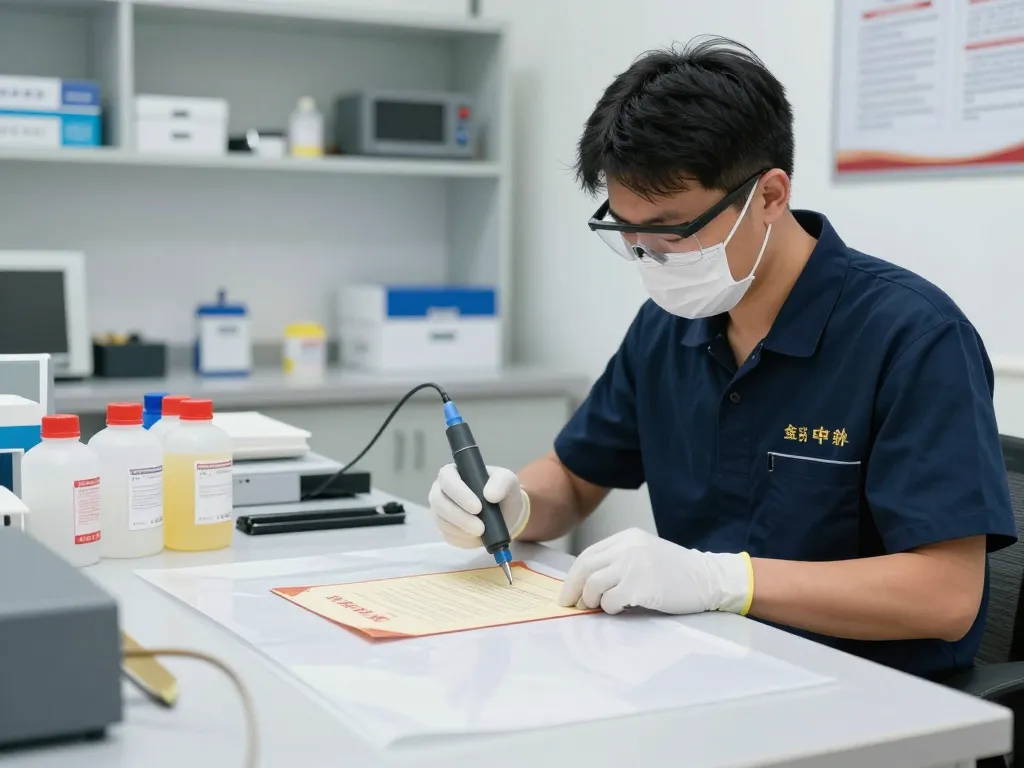
Understanding the Need for bóc sổ đỏ ép plastic
The process of bóc sổ đỏ ép plastic is increasingly becoming a vital aspect for many individuals and families dealing with property transactions in Vietnam. With properties yielding high value, safeguarding critical documents like sổ đỏ (land use right certificates) and sổ hồng (housing ownership certificates) becomes essential. However, with rising transactions surrounding real estate, the need to remove laminate from these certificates often arises. Understanding the nuances behind this process can help mitigate risks associated with document integrity.
What is bóc sổ đỏ ép plastic?
Bóc sổ đỏ ép plastic refers to the removal of a plastic lamination layer applied to important documents such as sổ đỏ and sổ hồng. This lamination is typically done for protection, but it can complicate legal transactions and hinder document visibility when modifications or verifications are needed. The challenge lies in executing this process without damaging the original document, as improper techniques can lead to permanent loss of information or aesthetic quality of the paper.
Common reasons for document lamination removal
- Legal Transactions: Transactions like property sales, transfers, or loans often necessitate the removal of lamination to allow for visibility of necessary details and signatures.
- Damage Repair: Over time, lamination can degrade or become damaged, prompting the need for professional removal to restore the document.
- Aesthetic Upgrade: Many individuals desire a pristine look for their important documents, prompting lamination removal for better presentation.
Legal implications of ép plastic on important documents
While epoxy lamination offers immediate benefits in protection, it has legal constraints. According to Vietnam’s regulations, laminating documents like sổ đỏ is often prohibited, as it can alter the original validity of the document. Individuals are advised to understand the legal ramifications before opting for lamination.
Methods of bóc sổ đỏ ép plastic
The methods of removing lamination from sổ đỏ have evolved significantly over the years, transitioning from traditional techniques to modern approaches enabled by advancements in technology.
Traditional techniques vs. modern approaches
Historically, individuals used home tools like hair dryers or heat lamps to soften the adhesive under the plastic. However, these methods often resulted in damages, such as tearing or fading ink. Conversely, modern approaches leverage specialized tools, chemical solutions, and professional services to ensure a cleaner, safer removal process that preserves the integrity of the document.
Using heat: Pros and cons
Using heat remains a popular method among DIY enthusiasts for removing plastic lamination. While it can be effective, it carries risks. The pros include accessibility and low cost, but the cons involve potential for damage due to excess heat or inadequate handling, leading to irreversible harm to the document.
Leveraging chemical technology for safe removal
Modern advancements include the use of chemical agents designed specifically for document restoration. These products, often imported from countries with stringent quality controls, allow for lamination removal without the use of force or heat. This method minimizes the likelihood of damaging the original document, ensuring recovery in pristine condition.
Step-by-Step Guide to bóc sổ đỏ ép plastic
For those looking to remove lamination independently, a systematic approach is vital to ensure success.
Preparation: Tools and materials needed
Before beginning the removal process, gather the following tools: a plastic spatula, chemical adhesive remover, soft cloths, and safety gloves. This preparation will enable a smoother operation while safeguarding both the document and the user.
Detailed steps for effective removal
- Clean the Document: Dust and debris can interfere with the adhesive removal; thus, begin by gently wiping it clean.
- Apply the Chemical Remover: Using a soft cloth, apply the chemical carefully to the edges of the lamination.
- Use the Spatula: Gently insert the spatula beneath the lamination and pull it away slowly while applying more remover as needed.
- Inspect the Document: After removal, inspect for any damage or residual adhesive and clean it with a soft cloth.
Aftercare: Preserving your document post-removal
Once lamination is removed, it’s crucial to store the document properly. Consider placing the sổ đỏ or sổ hồng in a protective sleeve and avoiding direct sunlight exposure to prevent fading.
Best Practices for Successful bóc sổ đỏ ép plastic
When engaging in the process of removing lamination, adhering to best practices can significantly affect the outcome.
Avoiding common mistakes during the process
- Overheating: Avoid using excessive heat, especially if using traditional methods.
- Neglecting Safety: Always wear gloves and prepare the workspace adequately to prevent accidents.
- Rushing the Process: Take your time to ensure thoroughness to avoid mishaps.
Ensuring document integrity throughout
To maintain the quality of the document, handle it with care and minimize direct contact with the adhesive when possible. This prevents tearing and maintains its value.
Professional vs. DIY: Making the right choice
While DIY methods are cost-effective, the risk of damaging critical documents is a serious consideration. Engaging professional services ensures expertise, efficiency, and a higher guarantee of document integrity post-process.
Future Trends in Document Restoration
As technology progresses, the world of document restoration is set to experience significant transformations.
Innovations in bóc sổ đỏ ép plastic technology
Emerging technologies, such as laser cutting and precision chemical dispensers, will soon offer even more refined methods for lamination removal, ensuring greater document safety.
What to expect in 2026 and beyond
By 2026, we can expect enhanced regulatory frameworks surrounding document restoration, alongside improvements in consumer awareness regarding the significance of document integrity during property transactions.
Expert insights on industry advancements
Leading experts in document preservation highlight the importance of ongoing education and technological advancements. As consumers become more knowledgeable, the demand for reliable and efficient document restoration services will continue to grow.